Reliable access to groundwater is a strategic asset for any Gauteng property owner. However, simply reaching the water table is only the first step toward a sustainable and safe water supply. Many residential and commercial owners compromise their investment by neglecting the critical protocols of water quality management.
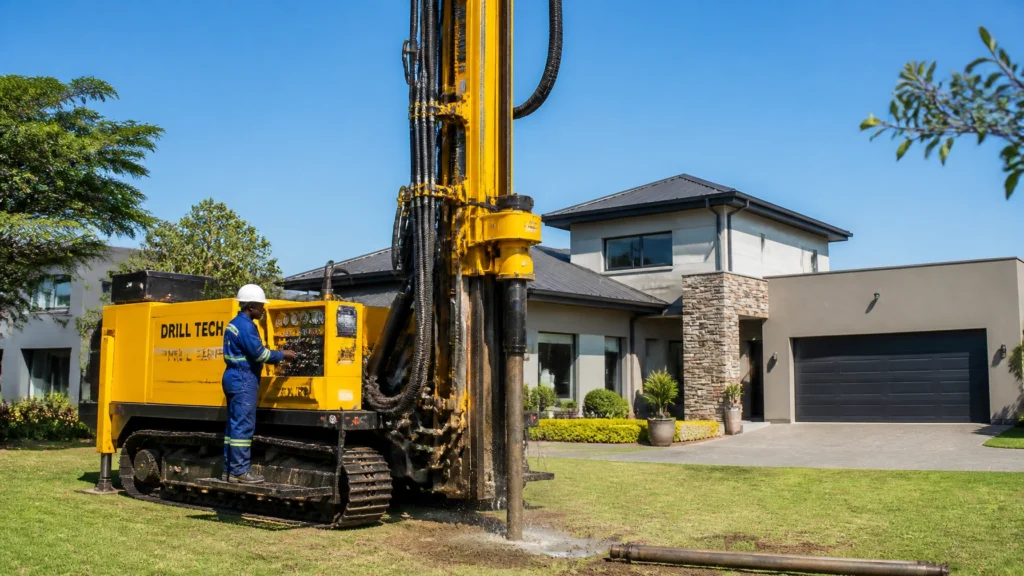
Securing a safe environment requires more than just a successful borehole drilling Gauteng project; it demands a rigorous, ongoing commitment to scientific testing. Below are the seven most common mistakes made with borehole water testing and the professional steps required to rectify them.
01. Skipping Professional Testing Before Consumption
The most frequent error is assuming that clear, odorless water is safe for human consumption. Visual clarity is never an indicator of chemical or biological safety, as many harmful contaminants are invisible to the naked eye.
- The Risk: Undetected heavy metals or nitrates can lead to long-term health complications without any immediate warning signs.
- The Fix: Always perform a comprehensive laboratory analysis before the first use of any new borehole to ensure full compliance with national safety standards.
02. Ignoring Microbiological Risks in Favor of Chemistry
Many owners opt for basic chemical screens because they are often more affordable or faster to process. This approach ignores the most acute threat to human health: pathogens like E. coli and coliform bacteria.
- The Risk: Microbial contamination can occur rapidly due to nearby sewage leaks or agricultural runoff, leading to immediate illness.
- The Fix: Ensure your testing package includes both chemical and microbiological parameters to maintain a hygienic and safe environment.

03. Neglecting Seasonal Water Table Changes
A single "pass" on a water test does not guarantee permanent safety. In Gauteng, the water table fluctuates significantly between the dry winter months and the heavy summer rainfall season.
- The Risk: Heavy rains can wash surface contaminants, fertilizers, and pollutants into the groundwater system, altering the water quality overnight.
- The Fix: Implement a seasonal testing schedule to monitor shifts in water composition and adjust your treatment protocols accordingly.
04. Utilizing Poor Sampling Techniques
The accuracy of your lab results is entirely dependent on the quality of the sample provided. Common errors include using unsterilized containers or failing to flush the system before collection.
- The Risk: Stagnant water from the pipes or external contaminants from the bottle can produce "false positives," leading to unnecessary and expensive treatment upgrades.
- The Fix: Run the borehole for 5 to 10 minutes before sampling, use laboratory-grade containers, and deliver the sample to the facility within 24 hours while keeping it cool.
05. Relying on Basic Home Kits or Non-Accredited Labs
While quick-test strips and pool shop kits are useful for basic monitoring, they lack the precision required for drinking water certification. These tools often have high margins of error and limited parameter ranges.
- The Risk: Inaccurate readings can provide a false sense of security, leaving your family or tenants exposed to hazardous substances.
- The Fix: Always utilize a SANAS-accredited laboratory that tests specifically to SANS 241 standards to ensure legally defensible and scientifically accurate results.

06. Misinterpreting SANS 241 Compliance Standards
SANS 241 is the South African National Standard for potable water. Many owners misunderstand the results, believing that "slightly high" levels of certain minerals are acceptable for long-term use.
- The Risk: Chronic exposure to even slightly elevated levels of minerals like manganese or iron can damage plumbing infrastructure and cause health issues over time.
- The Fix: Consult with professionals to interpret your lab reports; if any parameter exceeds SANS 241 limits, professional water purification systems South Africa must be implemented.
07. Underestimating Post-Drilling Maintenance Costs
Many property owners budget exclusively for the drilling and pump installation, viewing water testing and filtration as optional extras. This lack of financial planning often leads to abandoned boreholes when the water is found to be unusable.
- The Risk: Without a budget for testing and purification, your initial investment in drilling becomes a "sunk cost" that provides no functional value.
- The Fix: Factor the borehole water testing price (typically between R800 and R2,300) and potential filtration maintenance into your annual property operating budget.
Professional Standards for Gauteng Water Security
At Harmony Drilling & Water Purification, we view water security as a technical discipline rather than a luxury. Our approach integrates high-capacity commercial borehole solutions with precision-engineered filtration to ensure every drop meets clinical standards of purity.

The Practical Outcome of Rigorous Testing
By avoiding these seven mistakes, you transform a simple hole in the ground into a high-performance utility. Professional testing provides the data necessary to:
- Protect the health of all occupants and users.
- Preserve the lifespan of household appliances and industrial machinery.
- Ensure long-term compliance with South African municipal regulations.
- Optimize the efficiency of your water purification hardware.
Investing in accurate data today prevents the catastrophic costs of system failure tomorrow. Whether you are managing a residential estate or a commercial farm, crystal-clear water starts with a spotless testing protocol.
Secure Your Water Quality Today
Don't leave your water safety to chance. Harmony Drilling & Water Purification provides the essential solutions needed to maintain the highest standards of water hygiene and system efficiency.
Contact Harmony Drilling & Water Purification for a Professional Assessment